
Jonathan Dolley
Thursday, June 15, 2023 | 4 minutes
Helping Hands
On Wednesday this week, my partner and I participated in one of Hansalim’s ‘Helping Hands’ activities. We joined a small group of members from North Seoul Hansalim Co-op to visit a producer community a couple of hours journey from Seoul. We arrived at around 9:30 in the morning to meet the farmers who gave us a short introduction to their farm and handed out gloves and boots to those who needed them.
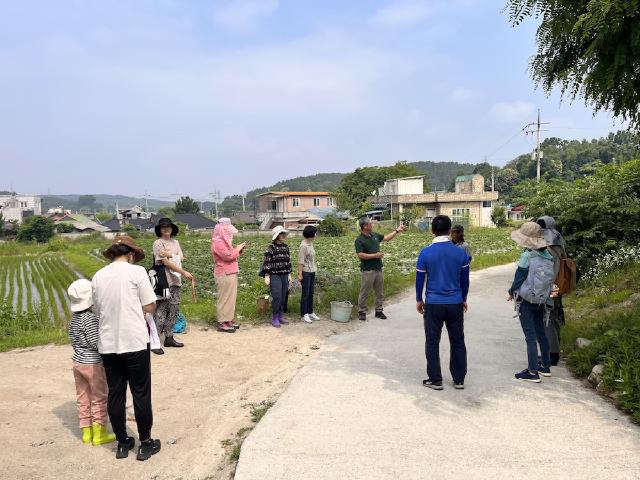
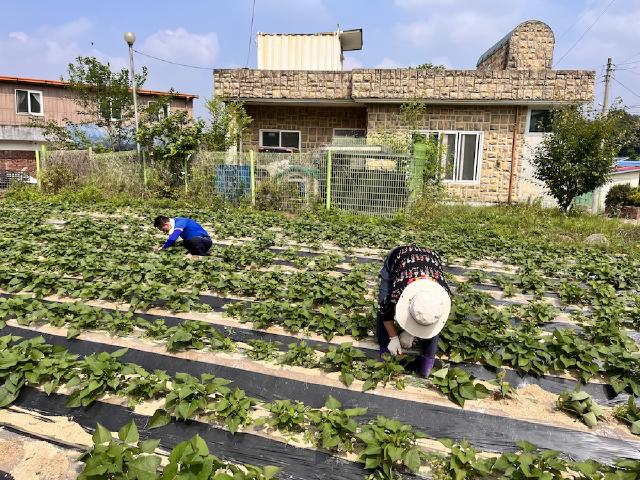
Then we moved straight into the field to start weeding. After being shown what to do by the husband and wife farming couple, we each took positions on different rows of crops to start working our way along, pulling out the weeds from around the sweet potato plants.
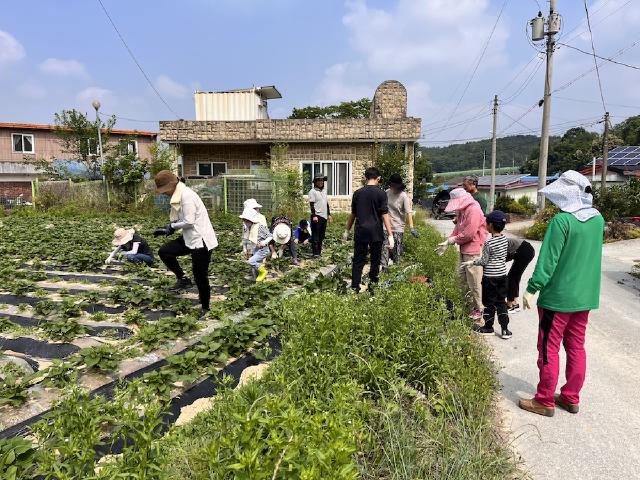
It was hot and thirsty work and physically demanding. Bending over and crouching next to the rows of plants and reaching down to the ground again and again soon caused the body to ache terribly and we had to keep standing up and stretching to give our muscles a break.
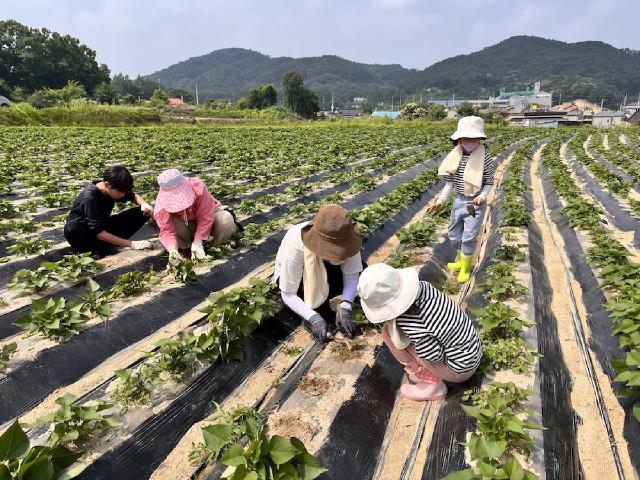
Because these farmers grow organically they do not use herbicide to suppress the weeds. So we used small hoes to scrape the surface of the soil and used our hands to pull out each one.
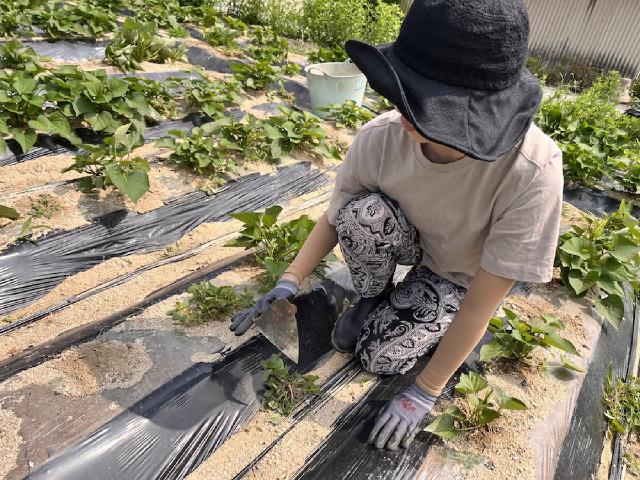
We realised that, for the farmers who do this all day, and many times over, the impact on their bodies is severe. And as the farmers get older, it will become harder and harder to continue this back breaking physical labour.
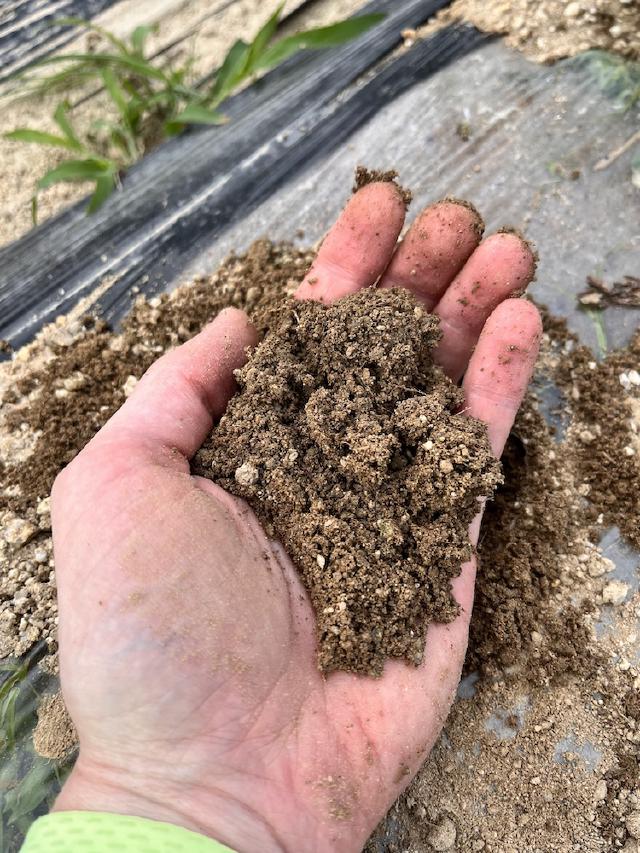
Touching the soil, seeing its texture and smelling the fresh scent of it made us feel more connected to the source of our food and to appreciate the lengths to which these farmers go to keep it healthy and organic.
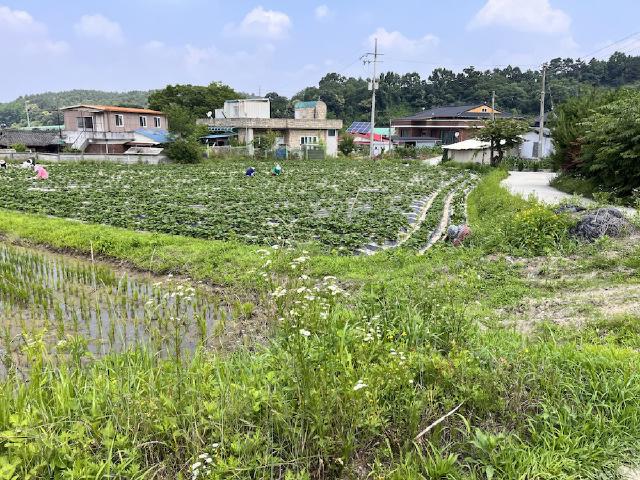
We worked like this for a couple of hours until we felt to hot and thirsty to carry on and we took a break by the side of the field to drink water and rest a while. We listened to the sounds of the insects and the birds and wind in the trees as we look over the fields, noticing how little of the whole we had weeded so far.
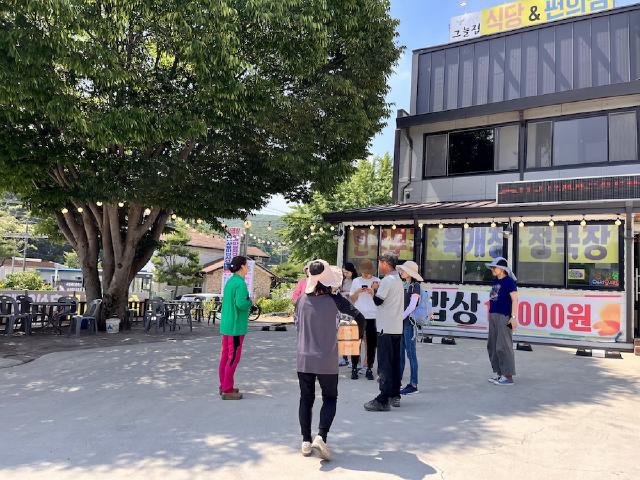
After the morning’s work we went to a nearby restaurant to share lunch with the farmers. Over lunch we talked and joked together and after we had finished we spent some time listening to each others’ stories. The farmers told us about their journey with Hansalim into organic agriculture and shared their struggles and hardships as they tried to keep farming and stay true to their values of respecting the natural world. They also showed their heart towards the consumers for whom they grow the crops and their joy when they hear from consumers how they appreciate the food they produce.
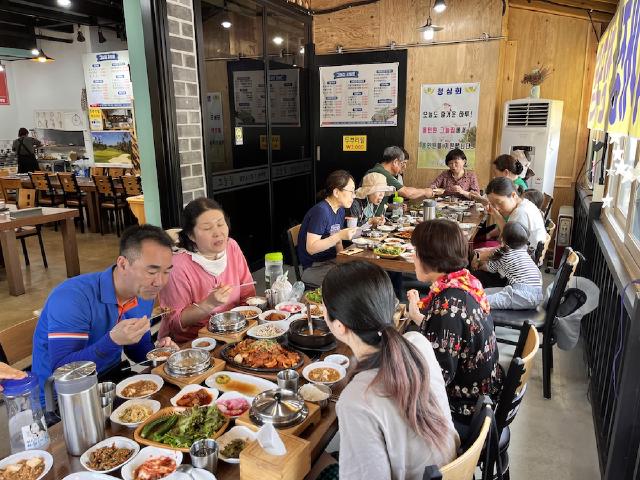
The consumers, in turn, shared their stories of how they became involved with Hansalim and how they value the products Hansalim produces. One woman told us how she had come to know Hansalim while she was recovering from cancer. During her recovery, she wanted to eat organic and safe food that would aid her body as it healed from the surgery and treatment. So she became a member of Hansalim because she trusted their food more than any others.
Another woman explained how her children suffered from skin problems and it was only when she shifted the family diet to Hansalim products that it cleared up. Now she depends on Hansalim producers for the organic and safe food that they provide because it keeps her family healthy.
All of the people present had similar stories to share and they all shared in common the journey from consumer to active member. They valued the opportunity to visit the farmers and to be able to give something back, however small a gesture it may be.
At the end of the visit, have share a meal and exchanged our stories we said goodbye. The consumer members exchange phone numbers with each other and with the farmers so that they could keep in touch and encourage each other and organise future visits.
The whole experience truly made us appreciate the amount of work that goes in to producing the food we eat. It gave us a physical connection to the land from which it comes and a embodied sense of empathy for the physical labour endured by the farmers. It also gave us an emotional connection to the farmers and their land and formed a bond of friendship that would continue into the future.
This is what I think of as a mindful market, in which the economic transaction takes second place to the emotional connection with the producers. It is also an embodied practice of stepping into the shoes of the farmers themselves for a brief time to experience the physicality of their work. And it a sensory connection to land and the soil through the smell and sounds of the place itself.